
When we think about bone health, we often think about preventing fractures or maintaining bone density as we get older. But healthy bones are also an important part of staying active, strong and independent throughout life.
And while your bones provide the framework for your body, your muscles, tendons, ligaments and joints all work together to keep you moving. Your knees, in particular, take on significant loads every day—from walking and climbing stairs to running, jumping and playing sport.
As a physiotherapist, I often see people who are frustrated by knee pain or an injury that has stopped them from doing the activities they enjoy. Understanding some of the common knee injuries—and what may contribute to them—is an important first step towards prevention.
Common Knee Injuries
Knee pain can have many different causes, and not every painful knee has the same problem. Some of the more common knee conditions and injuries we see in physiotherapy include:
ACL injuries
The anterior cruciate ligament (ACL) helps stabilise the knee. ACL injuries are particularly common in sports involving rapid changes of direction, jumping and landing.
Meniscus injuries
The menisci are two pieces of cartilage that help absorb load and provide stability within the knee. They can be injured through twisting movements, but changes to the meniscus can also occur gradually over time.
Patellofemoral pain
Pain around or behind the kneecap is common, particularly with activities such as running, squatting, stairs or prolonged sitting. It can be influenced by a combination of factors including training load, muscle capacity and movement patterns.
Tendon injuries
The tendons around the knee, including the patellar tendon, can become painful when the demands placed on them exceed their ability to adapt. Jumping and running sports can place considerable loads on these tissues.
Knee osteoarthritis
Osteoarthritis involves changes to the structures within a joint and can cause pain, stiffness and reduced function. While it becomes more common with age, experiencing knee pain doesn’t necessarily mean you need to stop being active.
The important thing to remember is that knee pain doesn’t automatically mean that something has been seriously damaged. A proper assessment can help identify what may be contributing to your symptoms and what you can do to manage them.
Here are five things I want you to know about knee injury prevention.
The good news is that there are practical things you can do to support healthy bones, strong knees and resilient movement.
1. Strong muscles help protect your knees
Your knees don’t work in isolation. The muscles around your hips, thighs and lower legs help control how forces move through the knee.
Strong quadriceps, hamstrings, glutes and calf muscles can help you perform everyday activities and exercise with greater control.
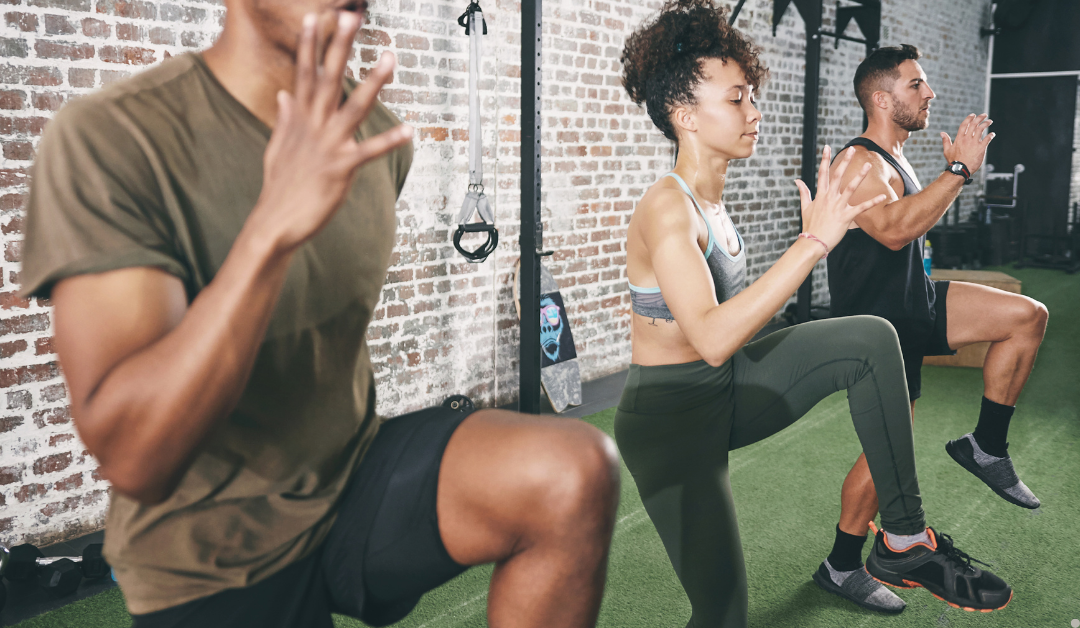
Strength training doesn’t have to mean lifting heavy weights in a gym. Exercises such as squats, step-ups, lunges, calf raises and resistance-band exercises can all be adapted to suit your individual ability.
Regular resistance exercise also has an important role in supporting bone health, making it a valuable part of an overall healthy ageing and injury-prevention program.
2. Weight-bearing exercise is good for your bones—and your knees
Bones respond to the demands placed on them. Weight-bearing activities can help support bone strength, while regular movement helps maintain muscle strength, coordination and joint function.
Walking, dancing, stair climbing, jogging and resistance training are examples of activities that can contribute to an active lifestyle.
However, more isn’t always better. If you’re new to exercise, returning after an injury or increasing your training, it’s important to build your activity gradually.
A sudden increase in running, jumping or sporting activity can place more stress on the body than it has had time to adapt to.
3. Don’t ignore strength and balance as you get older
As we age, maintaining strength and balance becomes increasingly important.
Reduced muscle strength and balance can affect how we move and respond to unexpected situations. This can increase the risk of falls, which can have serious consequences for bone health.
The good news? Strength and balance can be trained at any age.
A physiotherapist can assess your individual movement, strength and balance and develop exercises that are appropriate for your current abilities.
And you don’t need to wait until you have a problem to start. Prevention is always worth investing in.
4. Give your body time to adapt
One of the most common things I see in physiotherapy is someone doing too much, too soon.
Perhaps you’ve decided to get back into running, started a new exercise class, increased your gym sessions or returned to sport after a break. It’s great to be motivated—but your muscles, tendons, joints and bones need time to adapt to increased loads.
A useful approach is to increase your activity progressively and pay attention to how your body responds.
Some muscle soreness after unfamiliar exercise can be normal. Persistent or worsening pain, significant swelling, instability or difficulty putting weight through the leg are reasons to seek professional advice.
5. Look at the whole picture—not just the knee
When someone comes to physiotherapy with knee pain, we don’t just look at the painful spot.
We may assess:
- Muscle strength
- Hip and ankle movement
- Balance and coordination
- Walking, running or sporting technique
- Training load
- Previous injuries
- Joint mobility
- How you perform everyday movements
We also consider the bigger picture of your health and activity levels.
Healthy knees aren’t simply about having a pain-free joint. They’re about having the strength, mobility and confidence to keep doing the things that matter to you.
Strong bones. Strong muscles. Stronger movement with SPHC.
Bone and health awareness is a great reminder that looking after our musculoskeletal health isn’t something we should only think about when an injury occurs.
Regular strength and weight-bearing exercise, sensible progression of activity, good nutrition and maintaining balance and mobility can all form part of a healthy approach to looking after your body.
And if knee pain is stopping you from exercising or doing the activities you enjoy, you don’t have to simply put up with it.
Our Physiotherapists at SPHC, can help identify what’s contributing to your symptoms and create a plan to help you move with greater strength and confidence. Call today to make an appointment on 07 3869 1099 or BOOK ONLINE.
Your knees have a lot of work to do. Give them the support they deserve.
*This article provides general information and isn’t a substitute for an individual assessment by a qualified health professional.