
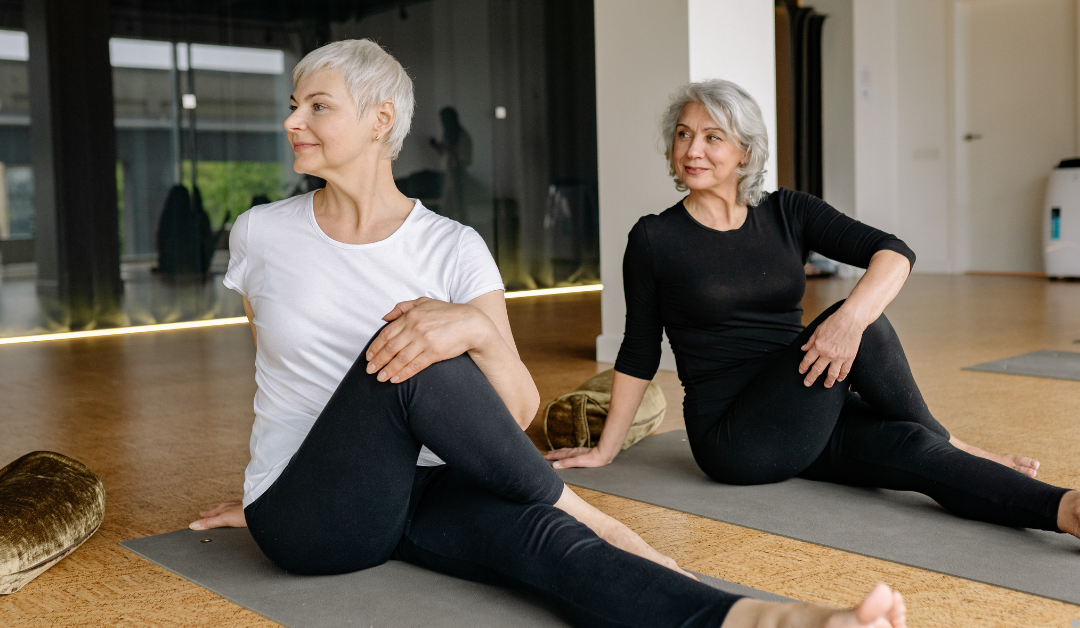
Menopause is a natural stage of life, but the changes that come with it can sometimes leave you feeling like your body isn’t quite behaving the way it used to.
Changes in muscle mass, bone health, joint comfort, balance, sleep and energy can all affect how you move and exercise. For some women, activities they previously enjoyed may suddenly feel more challenging.
The good news is that movement can be one of your greatest tools during menopause and beyond.
At SPHC, we believe this stage of life is an opportunity to build strength, confidence and resilience—not something you simply have to endure.
What happens to your body during menopause?
As oestrogen levels change during perimenopause and menopause, women can experience a range of physical changes. These may include changes in muscle mass and strength, bone density, body composition, joint and muscle comfort, and balance.
Some women also notice that recovery from exercise feels different or that activities they previously found easy require more effort.
This doesn’t mean you need to stop exercising. In fact, the right type of exercise becomes increasingly important.
How can Pilates help during menopause?
Pilates focuses on controlled movement, strength, posture, balance, mobility and body awareness. It can be adapted to suit different fitness levels and physical needs, making it a useful form of exercise during midlife and beyond.
1. Build strength
Maintaining muscle strength is particularly important as we age.
Pilates exercises can challenge the muscles of the legs, hips, back, abdomen and upper body. Stronger muscles can help support everyday activities—from lifting the shopping to getting up from a chair, climbing stairs or playing with the kids or grandchildren.
For greater strength and bone-loading benefits, Pilates can also complement a broader exercise program that includes progressive resistance and weight-bearing exercise.
2. Support bone health
Bone health becomes increasingly important around menopause because changes in oestrogen can contribute to increased bone loss.
Weight-bearing and resistance exercise are important components of maintaining healthy bones. While Pilates can contribute to muscular strength and physical function, it shouldn’t necessarily be your only form of exercise if bone health is a priority.
Your physiotherapist can help you understand how Pilates can fit alongside walking, resistance training and other weight-bearing activities appropriate for you.
3. Improve balance and stability
Balance can change as we get older, but it is a skill that can be trained.
Pilates exercises can challenge your control, coordination and awareness of how your body moves. Developing these skills can help you feel more confident when moving through everyday activities.
A physio can also assess your individual balance and identify areas where additional exercises may be beneficial.
4. Keep you moving
Stiffness and aches can make you feel like avoiding movement—but becoming less active can sometimes contribute to further loss of strength and mobility.
Pilates encourages regular movement through a range of positions and can be modified when you’re experiencing pain or stiffness.
The goal isn’t necessarily to perform every exercise perfectly. It’s to find safe, purposeful movement that works for your body.
5. Support pelvic health
The pelvic floor is an important part of your core and plays a role in bladder and bowel control, sexual function and supporting the pelvic organs.
Some women experience pelvic-floor symptoms during perimenopause and menopause, including urinary leakage or a feeling of pelvic heaviness.
A physiotherapist with appropriate pelvic-health training can assess these symptoms and provide individualised advice and exercise. Importantly, more pelvic-floor squeezing isn’t always the answer—some people need to learn how to relax and coordinate these muscles as well as strengthen them.
6. Improve confidence in your body
Perhaps one of the most valuable benefits of exercise during menopause is simply feeling capable in your body.
Being able to lift, bend, walk, balance, get up from the floor or participate in activities you enjoy can make a significant difference to confidence and quality of life.
Pilates encourages you to pay attention to how your body moves and to gradually develop strength and control.
Pilates isn’t about looking a certain way
Menopause can bring changes in body shape and composition, and this can affect how women feel about their bodies.
Our focus is different.
Exercise isn’t a punishment for your body. It’s a way of investing in it.
Rather than focusing solely on weight or appearance, Pilates can help you build a body that is stronger, more mobile and better equipped for the years ahead.
What if I haven’t exercised for years?
That’s okay.
You don’t need to be fit, flexible or experienced to start Pilates.
A good Pilates program can be modified to your current strength, mobility, fitness and any existing injuries or health considerations.
Starting gradually is often the best approach. Your physiotherapist or Pilates instructor can help you identify an appropriate starting point and progress your exercises as your body adapts.
Think beyond Pilates
Pilates can be an excellent part of your exercise routine, but variety matters.
For overall health during and after menopause, consider incorporating a combination of:
- Resistance training to maintain muscle strength
- Weight-bearing exercise to support bone health
- Aerobic exercise for cardiovascular fitness
- Balance exercises to maintain stability
- Mobility and flexibility work to keep you moving comfortably
- Pilates to develop strength, control, coordination and body awareness
The right combination will depend on your individual health, goals and experience.
Your next chapter can be a strong one with SPHC!
Menopause represents a significant transition, but it doesn’t mean your strongest years are behind you.
With the right approach to exercise, recovery, nutrition and health care, you can continue building strength and maintaining the things that allow you to live an active life.
Pilates is one tool that can help you move with greater strength, confidence and awareness—but the most important thing is finding movement that you enjoy and can maintain.
If you’re experiencing changes in your body during perimenopause or menopause and aren’t sure where to start, a physiotherapist can help you understand your individual needs and develop an exercise program that is appropriate for you. Call us to make an appointment today on 07 3869 1099, or BOOK ONLINE.
Strong through menopause. Strong beyond it.