
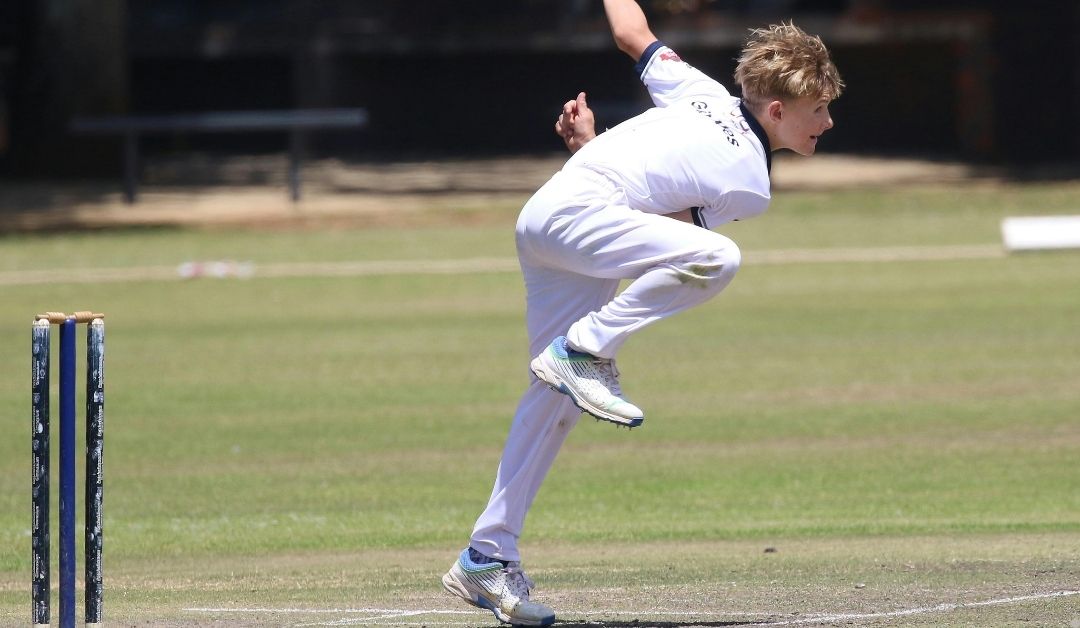
Fast bowling is one of the most exhilarating and explosive elements of cricket. Watching a young fast bowler charging in, hitting the crease hard, and sending the ball zipping past the bat is a spectacle that captures the energy of the game. However, that sheer excitement comes with a massive physical cost.
Having spent time working closely with high-performance and national youth cricket squads, I’ve seen firsthand just how demanding fast bowling can be on developing bodies. While bowling fast is an art, keeping young bowlers healthy, safe, and on the pitch requires a careful balance of technique, awareness, and smart workload management.
Why Young Fast Bowlers Are Uniquely Vulnerable
During adolescence, the human body goes through rapid growth spurts. Bones often grow longer and stronger much faster than the surrounding muscles, tendons, and ligaments can adapt. This creates temporary structural tightness and places immense mechanical stress on growing joints.
When you combine a growth spurt with the violent, multi-planar forces of fast bowling where front foot landing impact can reach up to six to nine times a bowler’s body weight, accompanied by extreme trunk rotation and spine hyperextension, it’s easy to see why overuse injuries are common in junior and adolescent players.
The Top 3 Most Fast Bowling Injuries
Understanding what can go wrong is the first step toward prevention. Here are three of the most frequent injuries we see in young fast bowlers:
1. Lumbar Spine Stress Fractures (Lower Back)
- What it is: A stress injury typically affects the pars interarticularis (a small segment of bone in the lower back). It is heavily driven by the repetitive “crunch” and twisting motion of the bowling action, especially in bowlers with a mixed or side-on bowling style.
- Red Flag to Watch For: Deep-seated, dull lower back pain that worsens during or immediately after bowling sessions and noticeably eases with rest. Any persistent back pain in a growing fast bowler should never be brushed off as “just a growing pain.”
2. Side Strains (Internal Oblique Tears)
- What it is: A tear in the internal oblique muscle (part of the abdominal wall) on the non-bowling side. It happens due to the violent, eccentric contraction required to brace and block the front side of the body during delivery rotation.
- Red Flag to Watch For: A sharp, localized stabbing pain in the side or lower rib area during the delivery stride, making it painful to bowl, twist, or even laugh and cough.
3. Lower Limb Overuse: Patellar Tendinopathy & Ankle Impingement
- What it is: The massive deceleration forces absorbed by the front leg on landing place intense loads on the knee patellar tendon and the front/back of the ankle joint.
- Red Flag to Watch For: Morning stiffness, aching knees or ankles after training, and pain when jumping, squatting, or running.
Prevention and Management: Keeping Them on the Pitch
The good news is that fast bowling injuries are largely manageable and often preventable with the right habits:
- Embrace Smart Workload Management: Tracking ball counts in both club training sessions and weekend games is critical. Sudden spikes in bowling volume are the primary trigger for adolescent stress injuries.
- Prioritize Strength and Conditioning: A strong core, glutes, and good thoracic mobility protect the lower back and shoulders. Conditioning should focus on building armor around the joints, not just bowling more overs.
- Listen to the Body: De-stigmatize playing through pain. Junior players often hide discomfort because they are afraid of missing a match. Cultivating an environment where reporting early, mild aches are encouraged, can mean the difference between a few days of modification and months on the sidelines.
Let’s Keep You Bowling Fast and Pain-Free
Fast bowling doesn’t have to mean chronic injury. With proper guidance, smart load management, and an eye on early detection, young players can safely unlock their true pace.
If you or your young cricketer is experiencing early signs of an injury, need expert treatment and a bowling action screening to prep for the season ahead, come down and see us at Sandgate Physical Health Clinic. We’re here to help you move better, bowl faster, and stay pain-free.
Senal Perera has recently joined the team at SPHC as a Physiotherapist with 2 years clinical experience working with elite athletes, and was the former team physio to the Sri Lankan cricket and football teams – Read Bio.