
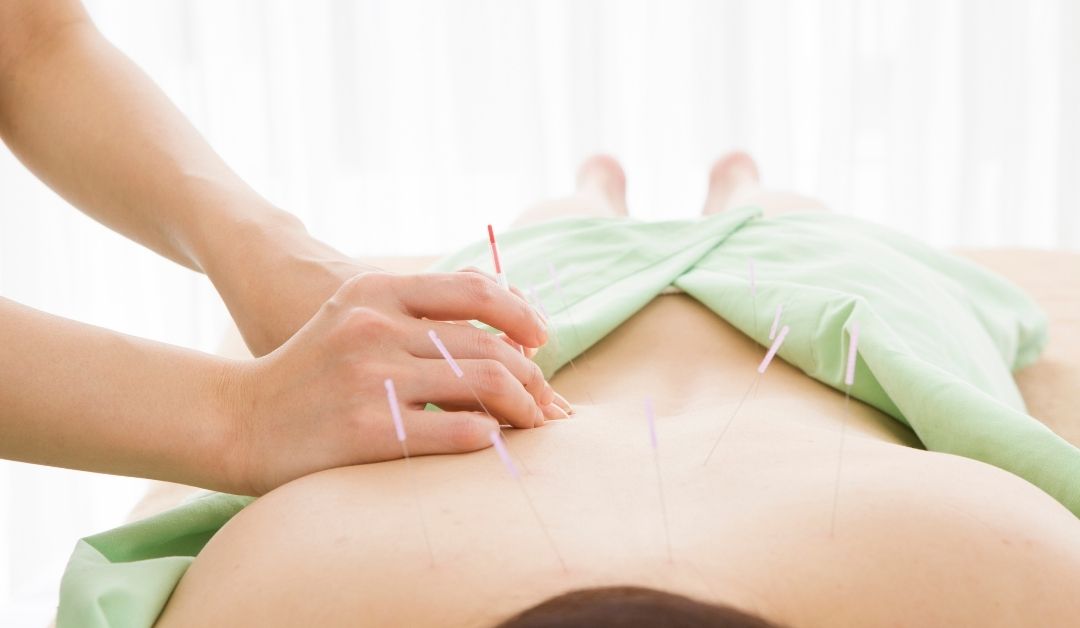
Musculoskeletal pain is one of the most common reasons people seek healthcare. Whether it’s a sporting injury, persistent back pain, neck tension from desk work, or joint stiffness that has gradually developed over time, pain can significantly impact your ability to move, work, exercise, and enjoy everyday life.
Acupuncture has become an increasingly popular treatment option for people looking for a natural, evidence-informed approach to managing musculoskeletal conditions. But what exactly is acupuncture, and how can it help?
What Is Musculoskeletal Pain?
Musculoskeletal pain refers to pain that affects the muscles, joints, tendons, ligaments, and other soft tissues of the body.
Common conditions treated with acupuncture include:
- Neck pain and stiffness
- Lower back pain
- Shoulder pain
- Hip pain
- Knee pain
- Tendinopathies and overuse injuries
- Muscle strains
- Sporting injuries
- Headaches related to neck tension
- Postural aches and pains
- Arthritis-related joint pain
These conditions can develop suddenly following an injury or gradually over time due to repetitive movements, poor posture, training loads, workplace demands, or age-related changes.
How Does Acupuncture Work?
Acupuncture involves the insertion of very fine sterile needles into specific muscles and soft tissues throughout the body.
From a modern musculoskeletal perspective, acupuncture is thought to work by stimulating the nervous system and promoting the body’s natural healing responses. Research suggests acupuncture may help:
- Reduce pain sensitivity
- Relax tight and overactive muscles
- Improve blood flow to affected tissues
- Decrease muscle guarding and tension
- Encourage normal movement patterns
- Support the body’s natural pain-relieving mechanisms
Many patients report feeling a reduction in pain, improved mobility, and a greater sense of ease following treatment.
What Does the Research Say?
Acupuncture has been extensively studied for a variety of musculoskeletal conditions.
Research suggests acupuncture may be effective in helping to manage:
- Chronic low back pain
- Neck pain
- Osteoarthritis-related joint pain
- Shoulder pain
- Certain tendon and soft tissue injuries
- Myofascial pain and muscle tension
While outcomes vary between individuals, many studies have demonstrated improvements in pain levels, physical function, and quality of life following acupuncture treatment.
As with any treatment, the best results are typically achieved when care is tailored to the individual’s condition, goals, and lifestyle.
Common Conditions we Treat at SPHC
Back and Neck Pain
Back and neck pain are among the most common reasons patients seek acupuncture. Treatment may help reduce muscle tension, improve movement, and ease persistent discomfort.
Sporting Injuries
Athletes and active individuals often experience muscle strains, tendon irritation, and overuse injuries. Acupuncture can be used as part of a recovery strategy to help manage pain and support return to activity.
Joint Pain and Stiffness
Acupuncture may assist with pain and stiffness affecting joints such as the shoulders, hips, knees, and ankles, helping patients move more comfortably and remain active.
Muscle Tightness and Postural Pain
Long hours at a desk, repetitive work tasks, and daily stress can contribute to muscle tension and postural discomfort. Acupuncture can help release tight muscles and improve overall mobility.
Tendon and Overuse Injuries
Conditions such as tennis elbow, golfer’s elbow, Achilles tendinopathy, and other repetitive strain injuries may benefit from acupuncture as part of a broader management approach.
What Happens During an Acupuncture Appointment?
Your appointment begins with a thorough assessment to understand your symptoms, medical history, lifestyle, and goals.
During treatment, very fine sterile needles are inserted into carefully selected muscles and tissues relevant to your condition.
Most people experience minimal discomfort. Common sensations may include:
- A mild ache
- Warmth
- Heaviness
- A brief muscle twitch
These sensations are normal and are often associated with the therapeutic effect of the treatment.
Treatment plans are tailored to each individual, depending on the nature and duration of their condition.
Is Acupuncture Safe?
When performed by a qualified, AHPRA registered Traditional Chinese Medicine Practitioner, using sterile techniques, acupuncture is considered very safe.
Occasional minor side effects may include:
- Temporary soreness
- Mild bruising
- Brief fatigue after treatment
A comprehensive assessment helps ensure acupuncture is appropriate for your individual circumstances.
Why Choose SPHC for Acupuncture?
Did you know, we have a highly experienced and respected Acupuncturist that has been with SPHC for over 25 years, Neil Whillans! Neil has extensive experience treating a wide range of musculoskeletal conditions and injuries. His focus is on helping patients reduce pain, improve movement, and return to the activities that matter most to them.
Whether you’re managing a recent injury, chronic pain, muscle tension, or ongoing joint stiffness, Neil provides personalised, evidence-informed acupuncture and massage treatment tailored to your specific needs. His practical, patient-focused approach aims to help you move better, feel better, and get back to doing what you enjoy.
Contact the clinic today on 07 3869 1099 or BOOK ONLINE to arrange an appointment and discover how acupuncture may support your recovery.